
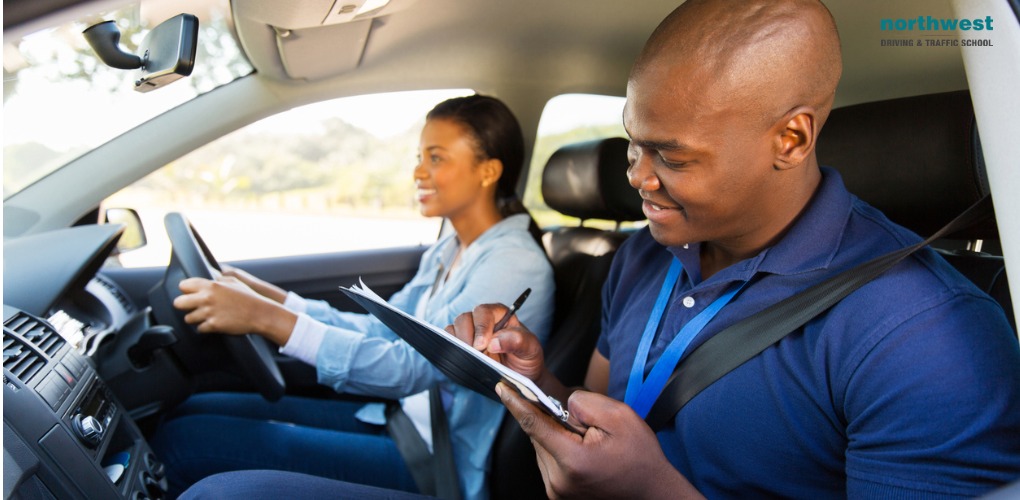
Butterflies in your stomach? Totally normal! That first driving lesson is a big step, and it's okay to feel a little nervous. Knowing what to expect can really ease those jitters and let you focus on actually learning.
Understanding the process of your initial driving lesson will make you a more prepared and confident learner. It’s all about building a solid foundation for safe driving habits, so you can eventually cruise down the road with skill and assurance.
Here's a pro-tip: before you even get in the car, spend some time visualizing yourself successfully completing basic maneuvers. Mental rehearsal can significantly boost your confidence and performance when you're actually behind the wheel.
Getting Started: Paperwork and Introductions
Before you even touch the steering wheel, there’s a little bit of housekeeping. Expect to present your learner’s permit and any other required documentation. Your instructor will verify your identity and ensure you’re legally able to begin driving lessons. This is also a good time to ask any burning questions you might have about the overall learning process or the specific curriculum. They’ll likely explain the lesson plan for the day, outlining what skills you’ll be working on and the goals you’ll be aiming to achieve. Don't be afraid to speak up – it's their job to make you feel comfortable and informed! You'll also likely have to sign a waiver, which protects the driving school in case of accidents.
Think of this initial phase as a friendly chat, a chance to get to know your instructor and understand the road ahead (pun intended!). A good instructor will create a relaxed and supportive atmosphere, encouraging you to ask questions and voice any concerns.
Inside the Car: Familiarizing Yourself with the Controls
Once the paperwork is out of the way, it's time to get acquainted with the car itself. Your instructor will guide you through the basics, explaining the function of each pedal, lever, and button. This usually includes: Steering Wheel: How to hold it properly (usually at the 9 and 3 or 8 and 4 positions) and the importance of smooth, controlled movements. Accelerator (Gas Pedal): How to apply pressure gently and smoothly to control your speed. Brake Pedal: The difference between a light tap and a firm press, and the importance of anticipating braking situations. Gear Shift: How to shift gears (if you’re learning in an automatic) or how to operate the clutch, shift, and accelerate smoothly (if you’re learning in a manual). Mirrors: How to adjust your rearview and side mirrors for optimal visibility and how to use them effectively while driving. Turn Signals: When and how to use them to communicate your intentions to other drivers. Windshield Wipers and Lights: How to operate these essential safety features in different weather conditions. Parking Brake (Emergency Brake): When and how to use it, especially on hills.
Your instructor will likely demonstrate each control and then have you practice using them while the car is stationary. This allows you to get a feel for the car without the added pressure of actually driving. Don't worry if you feel overwhelmed at first – it takes time to develop muscle memory and coordination. Remember, it's okay to ask your instructor to repeat explanations or demonstrate techniques as many times as you need. They are there to help! This is a key component of learning safe habits behind the wheel.
The First Drive: Low-Speed Maneuvers
Now for the exciting part: your first drive! Typically, your instructor will start you off in a controlled environment, such as an empty parking lot or a quiet residential street. The initial focus will be on basic maneuvers, such as: Starting and Stopping: Smoothly accelerating from a standstill and braking gradually to a complete stop. Steering: Maintaining a straight line, making gentle turns, and correcting your course as needed. Low-Speed Navigation: Driving slowly and safely within the designated area, paying attention to your surroundings. Turning: Practicing right and left turns, ensuring you signal properly and check for pedestrians and other vehicles.
Your instructor will provide clear and concise instructions, guiding you through each step of the process. They’ll also offer constructive feedback, pointing out areas where you can improve and praising your progress. Don't be discouraged if you make mistakes – everyone does when they're learning! The key is to learn from them and keep practicing. It’s important to remember that learning to drive is a journey, not a race. Focus on mastering the fundamentals before moving on to more complex skills. Parent-supervised driving can be really helpful here, giving you extra practice in a low-pressure environment.
How long does it take to get comfortable driving?
Comfort behind the wheel varies from person to person. Some people feel relatively comfortable after a few lessons, while others take longer. Consistency is key. The more you practice, the more comfortable you'll become. Supplementing professional lessons with practice sessions with a parent or guardian can also accelerate the process. Don't compare yourself to others – focus on your own progress and celebrate your achievements along the way. Remember that even experienced drivers continue to learn and refine their skills throughout their driving careers.
Building Confidence: Addressing Driving Anxiety
It's perfectly normal to experience some level of anxiety when learning to drive. The responsibility of operating a vehicle can feel overwhelming, and the potential for accidents can be scary. Here are a few tips for managing driving anxiety: Deep Breathing: Practice deep, slow breathing exercises to calm your nerves before and during your lessons. Positive Self-Talk: Replace negative thoughts with positive affirmations. Remind yourself that you are capable of learning and that your instructor is there to support you. Focus on the Present: Avoid dwelling on past mistakes or worrying about future scenarios. Concentrate on the task at hand and stay fully present in the moment. Communicate with Your Instructor: Let your instructor know how you're feeling. They can adjust the lesson plan to accommodate your needs and provide extra support.
If your driving anxiety is severe or persistent, consider seeking professional help from a therapist or counselor. They can provide you with coping strategies and techniques for managing your anxiety. Remember, addressing driving anxiety is crucial for developing safe and confident driving habits.
Mastering the Basics: Parallel Parking and More
Once you’ve mastered the fundamental driving skills, your instructor will introduce you to more advanced maneuvers, such as parallel parking, three-point turns, and merging onto highways. These skills require more precision and coordination, but with practice and patience, you’ll be able to master them. Here's a look at some of the key skills you'll likely be working on: Parallel Parking Basics: This is often a source of anxiety for new drivers, but it’s a skill you'll need to learn. Your instructor will break down the process into manageable steps, teaching you how to position your car, use your mirrors effectively, and maneuver into the parking space safely. Three-Point Turns (K-Turns): These turns are used to reverse direction on a narrow street. Your instructor will guide you through the steps, emphasizing the importance of checking your surroundings and signaling your intentions. Merging onto Highways:This requires accelerating to match the speed of traffic and merging smoothly into the flow of vehicles. Your instructor will teach you how to judge distances, use your mirrors and blind spots effectively, and communicate with other drivers.
As you progress, your instructor will gradually increase the level of challenge, exposing you to different driving scenarios and conditions. They’ll also emphasize the importance of defensive driving techniques, such as maintaining a safe following distance, anticipating potential hazards, and being aware of your surroundings at all times. These are all critical elements of building a solid foundation for safe and responsible driving.
What’s the best way to learn parking?
Practice, practice, practice! Start in a large, empty parking lot with clearly marked lines. Use cones or other markers to simulate other vehicles. Break down the parking maneuver into small steps and focus on mastering each step before moving on to the next. Watch videos and tutorials to visualize the process. Ask experienced drivers for tips and advice. And most importantly, don't get discouraged by mistakes. Everyone struggles with parking at first. The key is to keep practicing until you feel comfortable and confident. Also, remember to take breaks when needed and avoid practicing when you're feeling stressed or overwhelmed.
Review and Feedback: What to Expect After the Lesson
At the end of your first driving lesson, your instructor will provide you with a comprehensive review of your performance. They’ll highlight your strengths, identify areas where you need to improve, and offer specific recommendations for future practice. This feedback is invaluable for guiding your learning and ensuring that you're progressing at a steady pace.
Don't be afraid to ask questions during the review. Clarify any points that you're unsure about and seek clarification on any feedback that you don't understand. Your instructor is there to help you succeed, so take advantage of their expertise. They may also provide you with a first-time driver checklist to help you track your progress and ensure that you're covering all the necessary skills. Also, discuss the plan for future lessons. This will help you manage your expectations and continue building your skills.
Remember, learning to drive is a process, and it takes time and effort to develop the necessary skills and confidence. Be patient with yourself, stay focused on your goals, and celebrate your accomplishments along the way.
The road to becoming a licensed driver might seem long right now, but each lesson is a step in the right direction. Embrace the learning process, stay positive, and remember that every experienced driver started exactly where you are today. You've got this!