
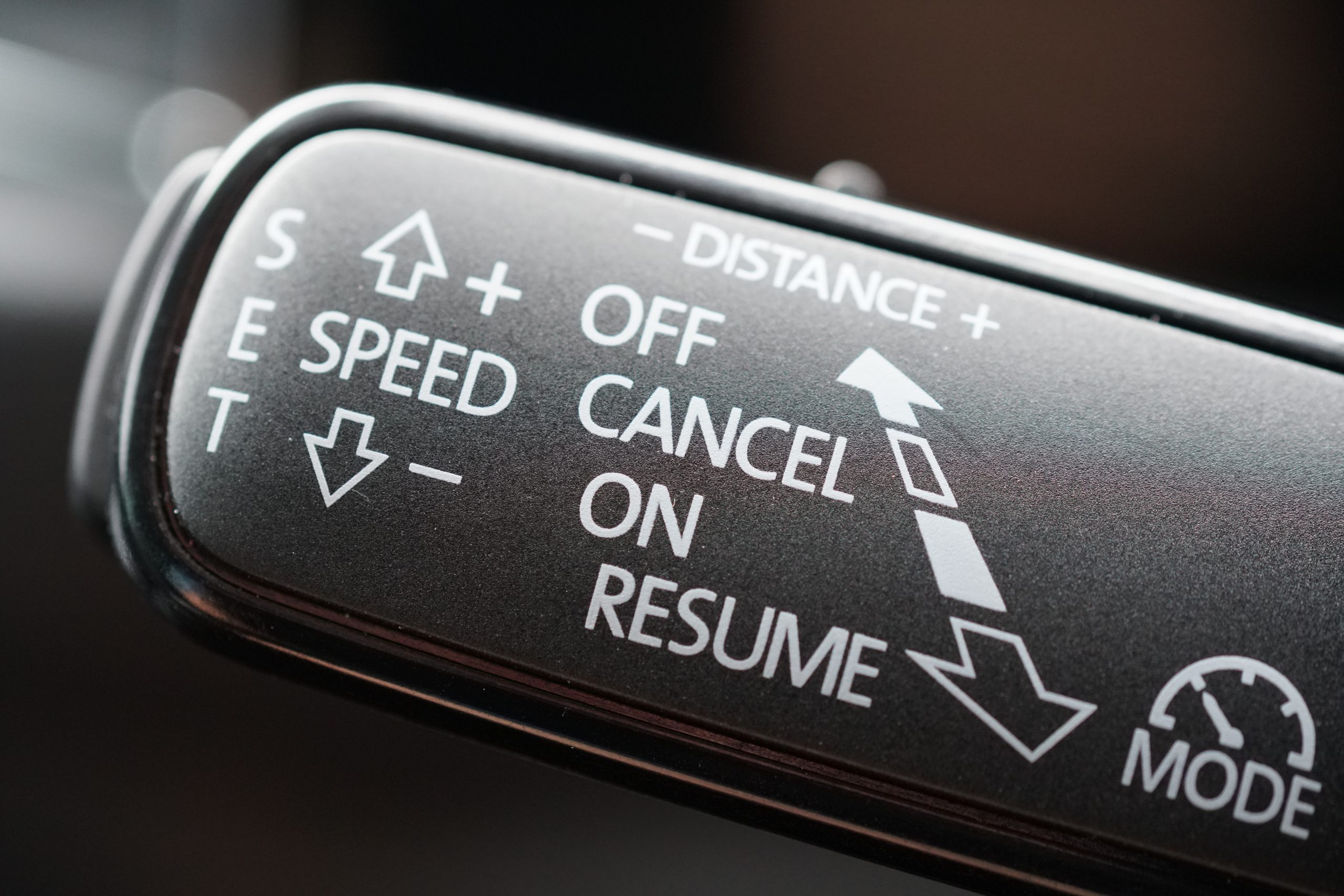
Learning to use cruise control effectively is about more than just pushing a button. It’s about understanding when and where it’s appropriate, and developing the awareness to disengage it instantly when needed. Mastering this skill will contribute to a more relaxed and focused driving experience, which is exactly what you want when you're gaining experience on the road.
Here’s a simple tip to build confidence: Practice engaging and disengaging cruise control in an empty parking lot. Get comfortable with the feel of the buttons and how quickly you can regain control. This will make you less hesitant to use it on the road when the time is right.
Understanding Cruise Control Basics
Cruise control is designed to maintain a constant speed without you needing to keep your foot on the accelerator. It's most helpful on long, straight stretches of highway where traffic is light and consistent. It reduces fatigue on longer trips, and it can also help you maintain a consistent speed, which can improve fuel efficiency. However, it's crucial to remember that cruise control isnota substitute for attentive driving. You are still responsible for monitoring your surroundings and reacting to changing conditions.
Essentially, the system works by sensing your car's speed, usually through wheel speed sensors. Once you set the desired speed, the car's computer adjusts the throttle to maintain that speed, even when going uphill or downhill (to a certain extent, of course).
When Notto Use Cruise Control
This is arguably more important than knowing when to use it. There are definitely situations where cruise control is a bad idea, especially for new drivers who are still developing their reflexes and judgment.
In Heavy Traffic: Stop-and-go traffic is a no-go for cruise control. You need to be able to react quickly to changing speeds and distances, and cruise control can be too slow to respond. In Inclement Weather: Rain, snow, ice, or even heavy fog significantly reduce traction and visibility. You need maximum control of your vehicle, and cruise control can lull you into a false sense of security. Reduced traction means your vehicle can react erratically if the cruise control tries to maintain speed. This is especially true on hills. On Winding Roads: Cruise control is best suited for straight roads. On winding roads, you need to constantly adjust your speed to safely navigate the curves. Cruise control will fight against your natural adjustments and can lead to a loss of control. Focus on mastering the feel of the road. Learning smooth steering and throttle control are key safe habits behind the wheel. In Construction Zones: Construction zones often have unpredictable traffic patterns and sudden stops. Cruise control simply isn't appropriate for these environments. When Tired or Distracted: Cruise control can make you feel even more relaxed, which can be dangerous if you're already tired or distracted. It's important to be fully alert and focused when driving, especially when using cruise control. Pull over and take a break if you need to! Driving anxiety can be amplified by fatigue. In Unfamiliar Territory: When driving on roads you don’t know well, surprises are more likely. You need to be fully engaged with scanning for potential hazards.
People Also Ask: "How can I manage driving anxiety on the highway?"
Driving anxiety is a common challenge, especially for new drivers. Try these tips: Start Small: Begin with short trips on familiar highways with light traffic. Gradually increase the distance and complexity as you become more comfortable. Deep Breathing: Practice deep breathing exercises to calm your nerves. Inhale deeply through your nose, hold for a few seconds, and exhale slowly through your mouth. Plan Your Route: Familiarize yourself with the route ahead of time. Knowing what to expect can reduce anxiety. Listen to Relaxing Music: Avoid overly stimulating music. Opt for calming instrumental or nature sounds. Talk to Someone: Share your anxieties with a trusted friend or family member. Talking about your fears can help you process them. Consider Professional Help: If your anxiety is severe, consider seeking professional help from a therapist or counselor. Parent-supervised driving practice:Enlist your parents or a trusted adult to come along for additional practice.
Mastering the Controls
Before you even think about using cruise control on the road, familiarize yourself with the controls in your specific vehicle. The location and operation of cruise control buttons can vary significantly between car makes and models.
"On/Off" or "Cruise" Button: This button activates or deactivates the cruise control system. "Set" Button:This button sets the cruise control to your current speed. "Resume" Button:This button resumes your previously set speed after you've deactivated cruise control (e.g., by braking). "Cancel" Button:This button deactivates cruise control without erasing your previously set speed. "+" and "-" Buttons:These buttons allow you to increase or decrease your set speed in small increments.
Practice using these buttons while parked, so you know exactly where they are and how they work without having to take your eyes off the road. And read your owner's manual! It will have specific instructions for your vehicle.
Safe Usage Tips
Okay, so you've found a safe place to use cruise control – a long, straight, dry highway with light traffic. Now what?
1.Set Your Speed: Accelerate to your desired speed and press the "Set" button. Take your foot off the accelerator pedal. The car should maintain that speed.
2.Monitor Your Speed: Keep a close eye on your speedometer to ensure the cruise control is maintaining the correct speed. Sometimes, the system can be slightly off, especially on hills.
3.Adjust Your Speed as Needed: Use the "+" and "-" buttons to adjust your speed as necessary. For example, you might want to slightly increase your speed to pass another vehicle.
4.Be Ready to Deactivate: Keep your foot hovering near the brake pedal at all times. This will allow you to quickly deactivate cruise control if needed.
5.Deactivate When Necessary: Deactivate cruise control immediately if you encounter any of the conditions mentioned earlier (heavy traffic, inclement weather, winding roads, etc.).
6.Use the "Resume" Function Wisely: The "Resume" function can be helpful, but be cautious when using it. Make sure the road ahead is clear before resuming your previously set speed. Avoid using it in situations where you need to accelerate gradually.
7.Stay Alert: This is the most important tip of all! Cruise control is not an autopilot system. You must remain fully alert and engaged in the driving task. Don't let cruise control lull you into a false sense of security. Scan your surroundings constantly. Check your mirrors frequently. Be prepared to react to changing conditions.
People Also Ask: "What are some learner’s permit tips to make driving easier?"
Getting your learner’s permit is a big step! Here are some tips to make the experience smoother: Study the Driver’s Manual: This is your bible! Know the rules of the road inside and out. Practice Regularly: The more you practice, the more comfortable and confident you’ll become. Start in Low-Traffic Areas: Practice in empty parking lots or quiet residential streets before venturing onto busier roads. Focus on Fundamentals: Master the basics, such as steering, braking, accelerating, and signaling. Get Feedback: Ask your supervising driver for constructive criticism. Don’t Be Afraid to Ask Questions: If you’re unsure about something, ask! Stay Calm: Driving can be stressful, but try to stay calm and relaxed. Choose a Good Supervising Driver: Pick someone who is patient, experienced, and a good communicator. A calm demeanor is essential! Simulate Different Conditions:Practice driving in different weather conditions (if possible) and at different times of day. This helps you prepare for a variety of situations.
Advanced Cruise Control Features
Many newer vehicles come equipped with advanced cruise control features, such as adaptive cruise control (ACC). ACC uses sensors (usually radar or cameras) to maintain a set distance from the vehicle in front of you. It can automatically adjust your speed to match the speed of the vehicle ahead, even slowing down or stopping if necessary.
While ACC can be helpful, it's important to understand its limitations. ACC is not a substitute for attentive driving. You still need to monitor your surroundings and be prepared to take control of the vehicle if necessary. ACC may not work properly in heavy traffic, inclement weather, or on winding roads.
Lane Keeping Assist: Some vehicles also have lane keeping assist, which helps you stay within your lane. However, this feature is also not foolproof and should not be relied upon exclusively. Always use your turn signals and check your blind spots before changing lanes. Remember, these features are designed toassistyou, not to replace you.
People Also Ask: "What are some parallel parking basics I should know?"
Parallel parking can be intimidating, but with practice, it becomes much easier. Here's a breakdown of the basics:
1.Find a Suitable Space: Look for a space that's at least
1.5 car lengths longer than your vehicle.
2.Signal: Signal your intention to park.
3.Position Your Vehicle: Pull up alongside the car in front of the space, about 2-3 feet away, with your rear bumpers aligned.
4.Reverse and Turn: Shift into reverse, and turn your steering wheel all the way to the right. Begin backing into the space at a 45-degree angle.
5.Straighten Out: Once your front bumper has cleared the rear bumper of the car in front, straighten the steering wheel. Continue backing in until your car is parallel to the curb.
6.Adjust Your Position: If necessary, pull forward or back up slightly to center your car in the space.
7.Practice, Practice, Practice: Find an empty parking lot and practice parallel parking until you feel comfortable.
8.Use reference points: Watch videos showing where your side mirror should be in relation to the other car’s bumper before you start turning.
Remember… You’re in Control
Cruise control is a tool, and like any tool, it can be helpful or harmful depending on how it's used. By understanding its limitations and following these safe usage tips, you can use cruise control to make your driving experience more relaxed and efficient. But always remember, you are the driver. You are responsible for the safety of yourself and others on the road. Stay alert, stay focused, and stay in control. With practice and awareness, you'll be cruising with confidence in no time! You've got this!