
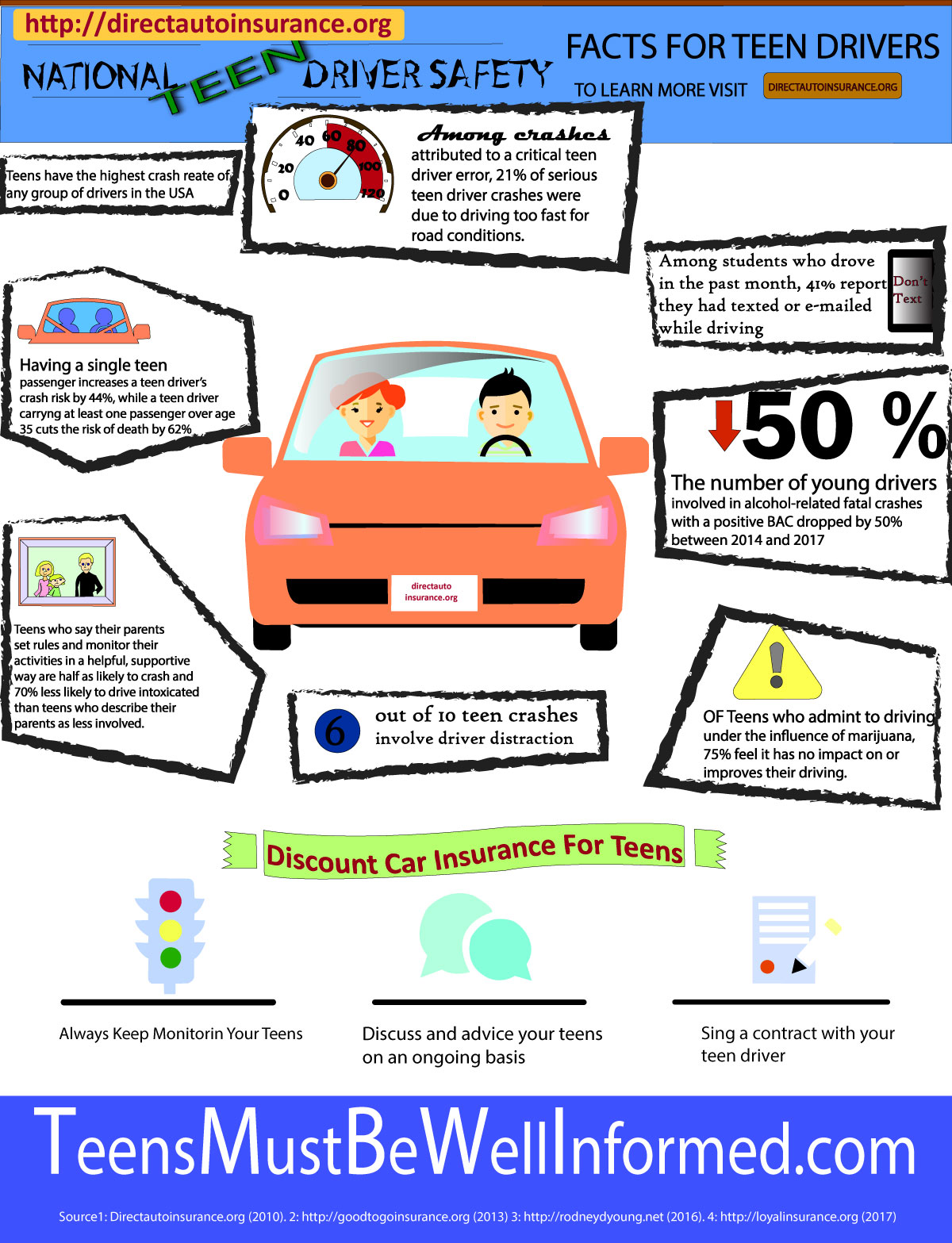
This isn't just about following rules; it's about becoming a responsible driver who's ready for anything. When you understand the basics of auto insurance, you're not just reading a policy—you're investing in your peace of mind.
Here's a great habit to start right now: always double-check your surroundings before pulling out of a parking space. It sounds simple, but it's a proactive way to avoid accidents and potential insurance claims down the road.
Understanding Insurance Coverage for Teens
Getting your license is a major milestone, and with that freedom comes responsibility. Understanding car insurance can feel like a whole new language, but it's essential knowledge for staying safe and legal on the road. Let's break down the key concepts, so you can confidently navigate the world of auto coverage.
Why Do You Need Car Insurance?
Simply put, car insurance protects you financially if you're in an accident. It helps cover costs associated with damages or injuries that you might cause to others. Almost every state requires drivers to carry minimum levels of insurance. Driving without insurance can lead to hefty fines, license suspension, or even legal trouble. Even more importantly, car insurance protects you from potentially devastating financial burdens if you're responsible for an accident. As a new driver, you might be focused on perfecting those parallel parking basics or mastering your parent-supervised driving time. But insurance is just as crucial to learn about.
What happens if I get into an accident without insurance?
Driving without insurance has serious consequences. You'll likely face fines and legal penalties. More significantly, you'll be personally responsible for paying for any damages or injuries you cause. This could mean emptying your savings account, selling your car, or even facing lawsuits that could impact your future earning potential.
Am I covered if I drive someone else's car?
Typically, the car's insurance policy covers the vehicle, regardless of who is driving (with the owner’s permission, of course). However, some policies have restrictions. It's always best to confirm with the car owner and their insurance company to understand the coverage specifics before getting behind the wheel.
Types of Car Insurance Coverage
There are several different types of car insurance coverage. Here's a breakdown of the most common ones: Liability Coverage: This is the most basic and often required coverage. It covers damages you cause to other people or property if you're at fault in an accident. It's divided into two parts: Bodily Injury Liability: Covers medical expenses, lost wages, and pain and suffering for injuries you cause to someone else.
Property Damage Liability: Covers the cost of repairing or replacing someone else's vehicle or property that you damage. Collision Coverage: This covers damage to your car if you collide with another vehicle or object, regardless of who is at fault. So, even if it's your fault, your collision coverage will help pay for the repairs to your car (minus your deductible). Comprehensive Coverage: This covers damage to your car from events other than collisions, such as theft, vandalism, fire, hail, or animal damage. Imagine a tree branch falling on your car during a storm; comprehensive coverage would likely cover the repairs. Uninsured/Underinsured Motorist Coverage: This protects you if you're hit by a driver who doesn't have insurance or doesn't have enough insurance to cover your damages. It helps pay for your medical expenses, lost wages, and car repairs. Personal Injury Protection (PIP):This coverage, often required in "no-fault" states, pays for your medical expenses and lost wages, regardless of who is at fault in the accident.
Understanding these different types of coverage is crucial when you're choosing an insurance policy. Consider your specific needs and driving habits when making your decisions. Take some time to understand learner's permit tips, safe habits behind the wheel, and how those factors can also play a role in your future driving record.
How to Get Car Insurance as a Teen
There are a few different ways teens typically get car insurance: Being Added to a Parent's Policy: This is often the most affordable option. Your parents can add you to their existing car insurance policy. This will extend their coverage to you while driving their vehicles. However, it's essential to understand that your driving record will affect their insurance rates. Getting Your Own Policy: While more expensive, getting your own policy gives you more control over your coverage and builds your own insurance history. This can be a good option if you have your own car or if your parents' insurance company doesn't offer coverage for teen drivers. Comparison Shopping:Whether you're being added to a parent's policy or getting your own, it's essential to compare quotes from multiple insurance companies. Rates can vary significantly, so shopping around can save you money. Online tools and independent insurance agents can help you compare options.
When comparing policies, pay attention to the coverage limits, deductibles, and any discounts you might be eligible for.
What is a deductible?
A deductible is the amount you pay out of pocket before your insurance coverage kicks in. For example, if you have a $500 deductible and your car repairs cost $2,000, you'll pay $500, and your insurance company will pay the remaining $1,500. Choosing a higher deductible can lower your monthly premium, but it also means you'll have to pay more out of pocket if you have an accident.
Factors Affecting Insurance Rates for Teens
Several factors can affect how much you'll pay for car insurance as a teen: Age: Younger drivers are statistically more likely to be involved in accidents, so they typically pay higher rates. Driving Record: A clean driving record with no accidents or tickets will result in lower rates. Bad habits behind the wheel can cost you! Type of Car: The make and model of your car can also impact your rates. Sports cars and other high-performance vehicles typically cost more to insure than sedans or SUVs. Location: Insurance rates vary depending on where you live. Urban areas with higher traffic density typically have higher rates than rural areas. Coverage Limits and Deductibles: Higher coverage limits and lower deductibles will result in higher premiums. Discounts: Many insurance companies offer discounts for good grades, safe driving courses, and having certain safety features in your car.
How can I lower my insurance rates as a teen?
There are several ways to lower your car insurance rates as a teen. Maintaining a good driving record is key. Take a safe driving course, get good grades, and ask about available discounts. Choosing a safe and reliable car can also help lower your rates. Remember, practicing defensive driving and focusing on developing safe habits behind the wheel is the best way to avoid accidents and keep your insurance rates low.
Understanding Policy Language
Insurance policies can be filled with confusing jargon. Here are some common terms to familiarize yourself with: Premium: The amount you pay regularly (usually monthly or annually) for your insurance coverage. Policy: The written contract between you and the insurance company that outlines the terms and conditions of your coverage. Coverage Limits: The maximum amount your insurance company will pay for a covered loss. Exclusions: Specific situations or events that are not covered by your policy. Claim:A formal request to your insurance company for payment of a covered loss.
Don't be afraid to ask your insurance agent to explain anything you don't understand. It's better to clarify things upfront than to be surprised later.
What should I do if I get into an accident?
If you're involved in an accident, stay calm and follow these steps:
1.Ensure everyone's safety: Check for injuries and call 911 if necessary.
2.Exchange information: Exchange insurance information with the other driver(s).
3.Document the scene: Take photos of the damage to all vehicles involved, as well as the accident scene.
4.Report the accident: Notify your insurance company as soon as possible.
5.Cooperate with the investigation: Provide accurate information to your insurance company and cooperate with their investigation.
Remember, reporting an accident to your insurance company doesn't automatically mean your rates will go up. However, if you're at fault in the accident, your rates may increase upon renewal.
Taking the time to understand car insurance might not be the most thrilling part of becoming a driver, but it's one of the most important. With a little knowledge and preparation, you can confidently protect yourself and your future on the road. Remember, every safe choice you make as a driver contributes to your peace of mind.