
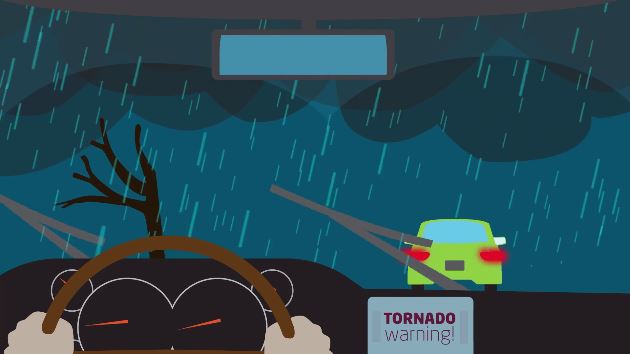
Knowing how to handle challenging conditions is what separates a driver from asafedriver. Understanding the risks and how to react will build your confidence and keep you (and everyone else) safe on the road, no matter the weather.
The biggest piece of advice I can give you right now? Slow down. Seriously. Lowering your speed gives you more time to react to unexpected situations, and that extra second or two can make all the difference.
Mastering the Elements: Your Guide to Driving in Bad Weather
Driving in ideal conditions is one thing, but facing rain, snow, fog, or even high winds presents a whole new set of challenges. Let’s break down each condition and what you can do to navigate them safely. Remember, a proactive approach and calm head are your best allies.
Rain
Rain is probably the most common type of bad weather you’ll encounter. It reduces visibility and, more importantly, makes the road slippery. Hydroplaning, where your tires lose contact with the road surface and ride on a film of water, is a real danger.
Reduce Speed: This is the golden rule. Lower your speed significantly, especially during the first 10-15 minutes of rainfall, as this is when the roads are typically the slickest. The water mixes with oil and debris on the road surface, creating a particularly slippery film. Increase Following Distance: Give the car in front of you plenty of space. You’ll need more time to stop on wet roads. A good rule of thumb is to double your normal following distance. Check Your Tires: Make sure your tires have adequate tread depth. Worn tires are much more likely to hydroplane. Use the “penny test”: insert a penny upside down into a tire tread groove. If you can see all of Lincoln’s head, your tires are worn and need replacing. This is definitely something to add to your first-time driver checklist! Avoid Sudden Movements: Steer and brake smoothly and gradually. Jerky movements can cause you to lose control on wet surfaces. Turn on Your Headlights: Even during the day, rain can significantly reduce visibility. Headlights make you more visible to other drivers. Remember that daytime running lights are not the same as headlights – make sure your taillights are also illuminated! What to do if you hydroplane: The most important thing isdon't panic. Ease off the accelerator and avoid braking suddenly. Steer gently in the direction you want to go. Once you regain traction, you can gently accelerate and steer back on course. This is a great skill to practice in a controlled environment with parent-supervised driving.
What if my windshield fogs up?
Quickly demist your windshield by turning on your defroster and increasing the fan speed. You can also use your air conditioning, as it helps to remove moisture from the air.
Snow and Ice
Driving in snow and ice requires even more caution than driving in rain. The roads are significantly more slippery, and visibility can be severely limited.
Drive Slowly and Steadily: Avoid sudden acceleration, braking, or steering. These actions can easily cause you to lose control. Increase Following Distance: Increase your following distancedrastically. You’ll need much more time to stop on snow or ice. Ten seconds behind the car in front is a good starting point. Brake Gently: If you need to brake, do so gently and gradually. If you have ABS (Anti-lock Braking System), apply firm and constant pressure to the brake pedal. You will feel the pedal pulsating; this is normal. Do not pump the brakes if you have ABS. If you don't have ABS, gently pump the brakes to avoid locking the wheels. Steer Gently: Avoid oversteering. If your car starts to skid, steer gently in the direction of the skid. Be Aware of Black Ice: Black ice is a thin, transparent layer of ice that can be extremely difficult to see. It often forms on bridges, overpasses, and shaded areas. Be extra cautious in these areas. Winter Tires are a Game Changer: If you live in an area that experiences frequent snow and ice, consider investing in winter tires. They provide significantly better traction than all-season tires in cold and snowy conditions.
How do I prepare my car for winter driving?
Make sure your car is properly maintained for winter. This includes checking your antifreeze levels, battery, tires, and windshield wipers. Keep a winter emergency kit in your car with items like a flashlight, blanket, jumper cables, shovel, and sand or kitty litter for traction.
Fog
Fog can dramatically reduce visibility, making it difficult to see other vehicles, pedestrians, and even the road ahead.
Slow Down: Reduce your speed significantly. You need more time to react to unexpected hazards. Use Low Beam Headlights: High beam headlights can reflect off the fog and make it even harder to see. Low beam headlights are more effective in foggy conditions. And remember to turn on your fog lights if your car is equipped with them! Increase Following Distance: Give the car in front of you plenty of space. You’ll need more time to stop if they suddenly brake. Listen for Other Vehicles: Roll down your window slightly and listen for the sounds of other vehicles. This can help you anticipate their presence even if you can’t see them. If Visibility is Extremely Limited, Pull Over:If you can’t see more than a few feet in front of you, it’s best to pull over to a safe location and wait for the fog to clear. Turn on your hazard lights to warn other drivers.
Should I use my hazard lights while driving in fog?
Use hazard lightsonlyif you are pulled over to the side of the road due to extremely low visibility. Do not drive with your hazard lights on, as this can confuse other drivers and make it difficult for them to judge your speed and direction.
Wind
High winds can make it difficult to control your vehicle, especially on open roads or bridges.
Grip the Steering Wheel Firmly: Be prepared for sudden gusts of wind. Reduce Speed: Slowing down will give you more control over your vehicle. Be Aware of Large Vehicles: Large trucks and buses are more susceptible to the effects of wind. Give them plenty of space. Watch Out for Debris: High winds can blow debris onto the road. Be alert for fallen trees, branches, and other objects. Avoid Sudden Movements:Steer and brake smoothly and gradually.
What if the wind is pushing my car towards another lane?
Steer gently against the wind to maintain your lane position. Avoid overcorrecting. If the wind is too strong, pull over to a safe location and wait for it to subside.
Building Confidence and Safe Habits Behind the Wheel
Driving in bad weather is all about preparation, awareness, and responsible decision-making. As a new driver, you might feel anxious about facing these conditions. That's perfectly normal! The key is to gain experience gradually and learn from each situation. Start with short trips in familiar areas and gradually increase the complexity as you become more confident. Consider practicing in an empty parking lot during light rain or snow to get a feel for how your car handles. This is a great way to build confidence and develop safe habits behind the wheel. Don't forget the importance of learner's permit tips and following all traffic regulations!
People Also Ask:
How long does it take to get comfortable driving in bad weather?
There's no magic number, but consistent practice and exposure are key. Focus on mastering the fundamentals – smooth steering, controlled braking, and maintaining a safe following distance. Over time, you'll develop the instincts and confidence to handle various weather conditions. It might take a few months of regular driving in different weather to feel truly comfortable.
What's the best way to handle driving anxiety in challenging conditions?
Acknowledge your anxiety and take proactive steps to manage it. Plan your route ahead of time, check the weather forecast, and allow extra time for your trip. If you start to feel overwhelmed, pull over to a safe location and take a break. Practice relaxation techniques like deep breathing. Remember, it's okay to postpone your trip if you feel unsafe. Maybe ask a more experienced driver to accompany you and offer guidance on a parent-supervised driving practice run.
Are there any advanced driving courses that focus on bad weather conditions?
Yes! Many driving schools offer advanced courses that cover topics like skid control, emergency braking, and winter driving techniques. These courses can provide valuable hands-on experience and help you develop the skills you need to handle challenging situations safely. Look for courses certified by reputable organizations for the best results.
Don’t rush into risky situations. Every safe trip you complete in challenging weather adds to your experience and helps you become a more skilled and confident driver. Remember to prioritize safety above all else, and don’t be afraid to ask for help or advice when you need it. You've got this!