
Adjusting your car seat and mirrors is about more than just comfort; it's about safety. A properly adjusted seat puts you in the best position to control the car, react quickly, and minimize injury in the event of a collision. Clear visibility, achieved through correctly positioned mirrors, helps you anticipate potential hazards and avoid accidents altogether.
Here’s a pro tip for building a good habit: Before you even think about starting the engine, make adjusting your seat and mirrors thevery firstthing you do every single time you get in the car. This simple routine will become second nature and ensure you’re always in the optimal driving position.
Finding Your Perfect Seat Position
Finding the right seat position is crucial for comfort, control, and safety. It's the foundation upon which everything else is built. Think of it like building a house; you need a solid foundation before you can put up the walls! We'll break it down step-by-step.
1.Seat Height: Start with the seat height. Adjust it so you have a clear view of the road ahead and the instrument panel. You should have enough headroom, ideally a few inches, so you're not hitting your head on the roof, especially if you go over a bump. You also want to be able to see over the steering wheel comfortably.
2.Seat Distance: Now, focus on the distance to the pedals. This issuperimportant. Push the seat back until your legs are almost fully extended when you’re pressing the pedals. However, you should still have a slight bend in your knees. This allows you to apply maximum pressure quickly if you need to brake suddenly. Don't be too close, or your knees could hit the dashboard in a collision, and don't be too far, or you won't have full control.
3.Seat Tilt: Adjust the seat tilt (or cushion angle) for thigh support. You want the seat to support your thighs without putting pressure on the back of your knees. A slight upward tilt is usually best.
4.Lumbar Support: If your car has lumbar support adjustment, use it! Adjust it to support the natural curve of your lower back. This can make a huge difference on longer drives, preventing back pain and fatigue. Experiment until you find the position that feels most comfortable and supportive. Many new drivers underestimate this, but it's a game changer for posture and long-term driving comfort.
5.Steering Wheel Adjustment: Once your seat is set, adjust the steering wheel. Ideally, you should be able to reach the top of the steering wheel with your wrists bent slightly. The steering wheel shouldn't be too close to your chest, as this can increase the risk of injury from the airbag in a collision. Most cars have a tilt and telescoping steering wheel. Tilt allows you to move the wheel up and down, while telescoping allows you to adjust how far it is from you. Find the position that allows you to comfortably reach the wheel while maintaining good posture.
6.Headrest: The headrest is there to protect your neck in a rear-end collision. Adjust it so the middle of the headrest is level with the back of your head. There should be minimal gap between your head and the headrest. Many people neglect this adjustment, but it's a crucial safety feature.
How long does it take to get comfortable driving?
Getting truly comfortable driving takes time and practice. It's different for everyone. Some people feel confident after a few weeks of parent-supervised driving, while others need months to overcome driving anxiety. The key is consistent practice in a variety of conditions, starting with simple, low-pressure situations. Don't rush it! Focus on building a foundation of safe habits behind the wheel. Remember learner’s permit tips from your driving course, and apply them during each drive.
Mastering Your Mirrors
Now that your seat is perfectly positioned, it's time to conquer your mirrors! Mirrors are your eyes on the sides and rear of your vehicle, giving you critical information about what's happening around you. Incorrectly adjusted mirrors can create blind spots, which can lead to accidents, especially when changing lanes or merging.
1.Rearview Mirror: Adjust your rearview mirror so you have a full, unobstructed view of the road directly behind you. You should be able to see the entire rear window without having to move your head. If you have passengers or cargo in the back that obstruct your view, consider using your side mirrors more frequently. Also, familiarize yourself with the day/night switch. At night, this switch reduces glare from headlights behind you.
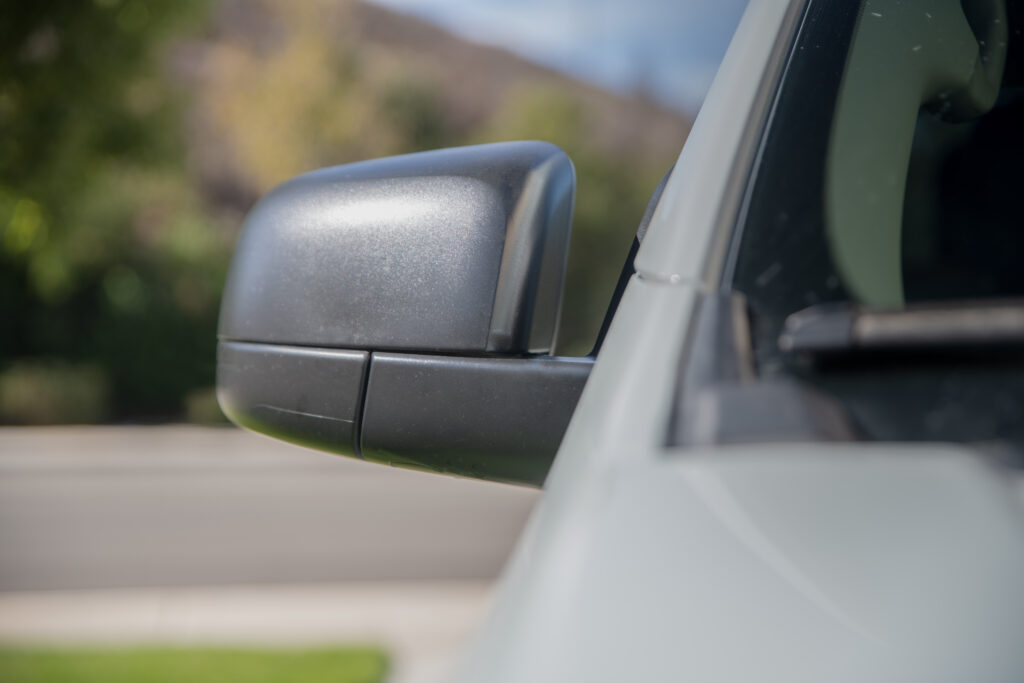
2.Side Mirrors (The Modern Method): This is where things get interesting! The old method involved overlapping the view from your rearview mirror with your side mirrors. Themodernmethod aims to eliminate blind spots almost entirely. Here's how: Lean your head to the left until it almost touches the driver's side window. From this position, adjust the driver's side mirror so you canjust barelysee the side of your car.
Lean your head to the right until it's in the center of the car. From this position, adjust the passenger's side mirror so you canjust barelysee the side of your car.
This "blind spot mirror adjustment" creates a wider field of vision, minimizing the area where you can't see other vehicles. It takes a little getting used to, but it's much safer than the traditional method.
3.Check Blind Spots: Even with perfectly adjusted mirrors, it's stillessentialto physically check your blind spots before changing lanes or merging. A quick glance over your shoulder in the direction you're moving is a crucial safe habit behind the wheel. Don't rely solely on your mirrors!
4.Practice Makes Perfect: The best way to get comfortable with your mirror settings is to practice in a safe environment, such as an empty parking lot. Have someone walk around your car while you observe their position in your mirrors and blind spots. This will help you develop a better understanding of your field of vision.
What's the best way to learn parking?
Parallel parking basics can seem intimidating, but with practice, it becomes much easier. Start by finding a quiet street or parking lot with plenty of space. Watch videos or have someone demonstrate the proper technique. Break down the maneuver into smaller steps and practice each step individually. Focus on controlling your speed and using your mirrors effectively. Don't get discouraged if you don't get it right away. Keep practicing, and you'll eventually master it. Remember to take breaks and avoid practicing when you're feeling stressed or anxious.
Advanced Tips and Considerations
Beyond the basics, there are a few more things to consider to optimize your driving position and mirror setup.
Shoes: Wear appropriate shoes for driving. Avoid thick-soled boots, flip-flops, or high heels, as these can make it difficult to feel the pedals and control the car effectively. Flat, comfortable shoes are the best choice. Clothing: Avoid wearing bulky clothing that restricts your movement. A heavy coat can make it difficult to turn the steering wheel or reach the pedals. Eye Exam: Make sure you have regular eye exams to ensure your vision is optimal. Poor vision can significantly impair your driving ability. Clean Mirrors: Keep your mirrors clean and free of dirt, snow, or ice. Dirty mirrors can significantly reduce visibility, especially at night or in inclement weather. Sun Glare: Be prepared for sun glare. Keep a pair of sunglasses in your car and use the sun visors to block the sun. Driving Anxiety: If you experience driving anxiety, talk to a trusted friend, family member, or driving instructor. They can offer support and guidance. Remember that it's normal to feel nervous when you're first learning to drive. Take your time, practice in a safe environment, and celebrate your progress along the way.
How can I reduce distractions while driving?
Reducing distractions is crucial for safe driving. Put your phone away – ideally in the glove compartment or trunk – before you start the engine. Set your GPS navigation before you begin driving. Avoid eating, drinking, or grooming while driving. Adjust the radio or music player before you start driving or ask a passenger to do it for you. If you have to make a phone call or send a text message, pull over to a safe location first. Tell your friends and family that you're driving and can't be disturbed. Remember, driving requires your full attention.
Final Thoughts
Getting your car seat and mirrors just right is a simple but powerful way to take control of your driving experience. It’s about more than just comfort; it’s about creating a safer and more confident you behind the wheel. Keep practicing, keep adjusting, and remember that every drive is a learning opportunity. You’ve got this!