
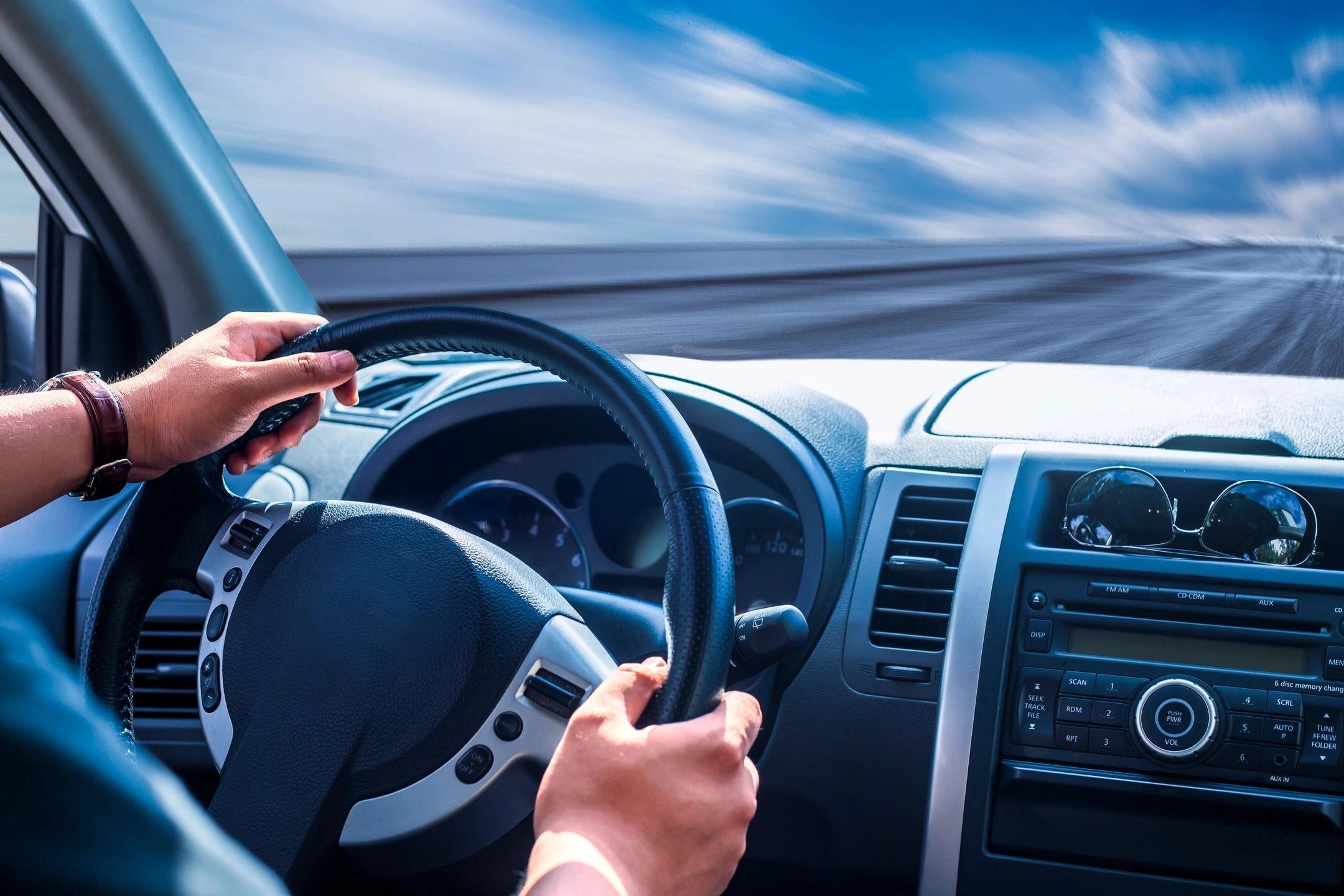
Learning to drive with respect for other road users isn't just about being polite; it's about creating a safer environment for yourself and everyone around you. Developing good driving etiquette early on will make you a more confident, predictable, and ultimately safer driver. It's a skill that goes beyond the driving test and stays with you for life.
Here's a simple truth: imagine everyone on the road is someone you know and care about. Would you cut them off? Probably not! Treat everyone with that same level of consideration, and you're already halfway there.
The Golden Rule of the Road: Treat Others As You Wish To Be Treated
This might sound cheesy, but it’s genuinely the foundation of good driving etiquette. Think about what frustrates you when you're a passenger or even a pedestrian. Tailgating? Sudden lane changes without signaling? Blasting music at a stoplight? Avoid doing those things yourself. Empathy goes a long way in preventing accidents and keeping the flow of traffic smooth. Remember those parent-supervised driving lessons? Use that experience to imagine what it's like to be another driver on the road.
What does “defensive driving” really mean?
Defensive driving is all about anticipating potential hazards and reacting proactively rather than reactively. It means being aware of your surroundings, scanning for potential dangers, and leaving yourself enough time and space to react safely. For example, don't just assume that other drivers will signal their intentions. Watch their behavior, look for clues like their position on the road, and be prepared for them to make unexpected moves. It’s a crucial safe habit behind the wheel.
Mastering the Art of Merging
Merging onto a highway or freeway can be one of the most nerve-wracking experiences for new drivers. It requires judging speed, distance, and traffic flow, all while accelerating and finding an opening. The key is to build up speed on the on-ramp to match the speed of the existing traffic. Use your mirrors and blind spot checks diligently. Signal your intention clearly and smoothly merge into the gap you've identified. Don't force your way in! If there's no safe opening, be prepared to slow down and wait for one. Patience is key here, especially when you are practicing learner’s permit tips.
What should I do if I miss my exit?
Missing your exit is a common mistake, especially when you're still getting comfortable with navigation. Don't panic and, most importantly, don't make any sudden or dangerous maneuvers like cutting across multiple lanes. Simply continue to the next exit, safely exit the highway, and find a safe place to turn around. A few extra minutes is always better than causing an accident.
Signaling Your Intentions: Communication is Key
Your turn signals are your primary means of communicating with other drivers. Use them! Signal well in advance of any lane change or turn, giving other drivers ample time to react. Even if you think there's no one around, signaling is a good habit to develop. Double-check your mirrors and blind spots before changing lanes, even after signaling. Remember, signaling doesn’t automatically grant you the right of way; it simply informs others of your intentions.
How far in advance should I signal?
A good rule of thumb is to signal at least 100 feet before a turn or lane change in urban areas, and at least 200 feet on highways. When in doubt, signal earlier rather than later. It’s better to give other drivers too much notice than not enough.
The Right-of-Way Rules: Understanding and Yielding
Right-of-way rules can sometimes feel confusing, but they’re essential for preventing collisions. Remember the basic principles: at uncontrolled intersections (those without traffic lights or stop signs), the driver on the left yields to the driver on the right. When turning left, you must yield to oncoming traffic unless you have a protected green arrow. Always yield to pedestrians in crosswalks, even if they aren't marked. If you're unsure who has the right-of-way, yield to be safe. A little hesitation is better than causing an accident.
What happens at a four-way stop?
At a four-way stop, the driver who arrives first has the right-of-way. If two vehicles arrive simultaneously, the driver on the left yields to the driver on the right. If all drivers arrive at the same time and are all going straight, a little friendly eye contact and a wave can help establish the order.
Dealing with Tailgaters: Stay Calm and Safe
Being tailgated can be incredibly stressful, especially for new drivers. The most important thing is to stay calm and avoid reacting aggressively. Don't speed up or brake suddenly, as this could provoke the tailgater and potentially lead to an accident. Instead, gradually increase your following distance from the car in front of you. This will give you more time to react if the car in front of you brakes suddenly. If possible, safely change lanes to allow the tailgater to pass. If you feel threatened, consider driving to a police station or well-lit public place. Keeping calm is essential for maintaining safe habits behind the wheel.
How can I avoid being a tailgater myself?
Maintain a safe following distance of at least three seconds in good weather conditions. In inclement weather, increase that distance to four or five seconds. Use the "three-second rule" to gauge your following distance: pick a fixed object (like a sign or a tree) and start counting when the vehicle in front of you passes it. If you pass the same object before you finish counting, you're following too closely.
The Importance of Headlights: See and Be Seen
Headlights aren't just for nighttime driving. Use them anytime visibility is reduced, such as during rain, fog, snow, or even on overcast days. Headlights make your vehicle more visible to other drivers, reducing the risk of accidents. Make sure your headlights are clean and properly aimed. Also, be mindful of when to use your high beams. Use them in dark, rural areas where there are no oncoming vehicles, but dim them when approaching other cars to avoid blinding them.
Are my daytime running lights enough?
Daytime running lights (DRLs) are helpful, but they don't always provide the same level of visibility as full headlights. DRLs are typically less bright and don't illuminate your taillights. In conditions where visibility is significantly reduced, it's always best to turn on your full headlights.
Sharing the Road with Vulnerable Road Users: Pedestrians, Cyclists, and Motorcyclists
Remember that pedestrians, cyclists, and motorcyclists are more vulnerable in the event of a collision. Always yield to pedestrians in crosswalks, even if they aren't marked. Give cyclists plenty of space when passing them, at least three feet. Be aware of motorcycles, which can be harder to spot than cars. Check your blind spots carefully before changing lanes, especially when motorcycles are nearby. Approach intersections cautiously and be prepared to stop for pedestrians and cyclists.
What should I do if a cyclist is wobbling or having trouble?
If you see a cyclist wobbling or having trouble maintaining their balance, give them even more space than usual. Slow down and be prepared to stop if necessary. Avoid honking your horn, as this could startle them and cause them to lose control. If you see a cyclist who appears to be in distress or injured, stop and offer assistance if it is safe to do so.
Driving etiquette isn't about being perfect; it's about being considerate, aware, and proactive. It's about understanding that you're sharing the road with other human beings, each with their own worries, anxieties, and destinations. By practicing good driving etiquette, you're not just making the road safer for yourself; you're making it safer for everyone. Embrace the responsibility, stay focused, and remember that every positive action on the road contributes to a better driving environment for all. You've got this!